


- Lead time
- 7 days express / 15 days standard / 30 days bulk
- Quote reply
- Within one business day
- MOQ
- Confirmed at quote, by structure and size
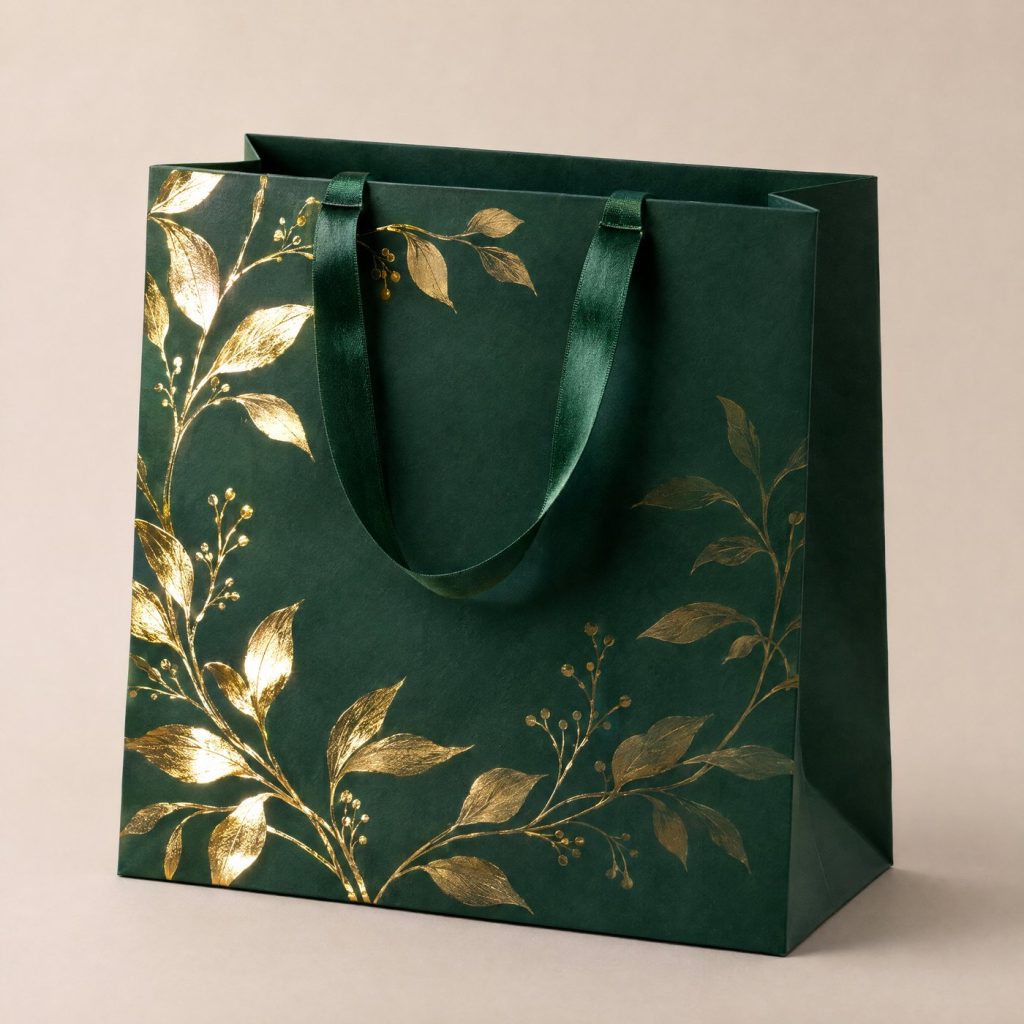
A luxury shopping bag is a laminated bag with reinforced handles, a turned top edge and a fit and finish that survives being reused. What separates it from a standard retail bag is not the print but the construction: the edge, the handle anchor and the base are all built to be handled repeatedly without softening.

How it is built
Heavy coated stock is printed, laminated, cut and creased, the top edge is turned over a board strip, and the base is built with a card insert and a doubled flap. Handles are threaded through reinforced holes and knotted inside. Every step is slower than the equivalent on a standard bag, and that is what you are paying for.
What to watch when you specify
Lamination is what gives the finish and what makes the bag hard to recycle, so the two have to be decided together. The turned top edge is the detail that reads as quality and the one that takes the most time. If the bag is meant to be kept, the base card matters more than the print: a bag that sags when loaded is not luxury, whatever is printed on it.
Material and size
Caliper is usually 210 gsm and up, on coated stock that takes a matte or soft-touch laminate. A soft-touch film reads as premium but marks with finger oil and scuffs white at the edges, which is why many brands choose matte instead. Handles are cord or ribbon, and the anchor is reinforced with a patch rather than an eyelet to keep the bag single-material.
| Item | Typical specification |
|---|---|
| Paper | Coated, 210 gsm and above |
| Finish | Matte, gloss or soft-touch laminate |
| Top edge | Turned over board strip |
| Base | Card insert, doubled flap |
| Handles | Cord or ribbon, patched anchor |
| MOQ | Confirmed at quote |
Options we build
- Matte, gloss or soft-touch laminate
- Turned top edge over a board strip
- Patched cord or ribbon handle
What goes wrong, and how we test for it
Soft-touch film scuffs and shows fingerprints, and it does so from the first handling. The turned edge can crack if the board strip is too thick for the crease. The base card can shift if it is not glued, and a shifted card makes the bag lean. Each of these is visible on the sample, which is why a physical proof matters more here than on any other bag.
Where it fits, and where it does not
Against a standard laminated bag, a luxury version adds a turned edge, a base card and a patched handle, which roughly doubles the hand time. Against a rigid box it is cheaper and holds more, but it offers no protection and is carried rather than presented.
What drives the unit price
Hand time dominates: turning the edge, inserting and gluing the base card, patching and knotting the handles. Lamination and soft-touch film add material and a pass. Because the bag is a brand item rather than a commodity, the print and finish decisions usually matter more to the buyer than the per-unit difference.
Packing and freight
These bags damage at the edges and the handles. Ship them flat with interleaving, in a carton that does not compress the bundle, and never stack heavy cartons on top. A soft-touch laminate that has been pressed against another bag for a few weeks in a warm container can block and peel.
What to send us
Send the product size and weight, and say whether the bag will be kept. That answer decides the base card, the turned edge and the handle anchor, which is where most of the cost sits. If a soft-touch finish is being considered, ask for a physical sample first: it marks with handling. If the bag carries a logo in foil, say so at quote stage. Foil on a laminated surface needs a different adhesive and a separate pass through the press.
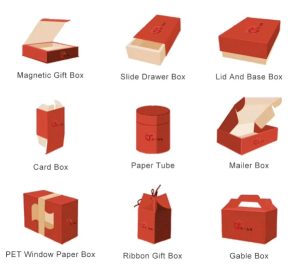
Other structures to compare


Related reading

Questions
Can it be recycled?
Laminated board follows a different stream. Check the local rule before making the claim.
Can the finish be soft-touch?
Yes. It changes the friction and the way the bag shows fingerprints.
Can it carry heavy goods?
Within the rating set by the top fold and the handle anchor.