


How Manufacturing Processes Define the Value of Custom Packaging

Value is not what the box looks like on day one
Two custom boxes can leave different factories at the same unit price and behave nothing alike in the market. One arrives scuffed, with lids that do not sit square and a colour that drifts from the brand guide; the other survives a parcel network and still looks like the product it protects. The gap is rarely the design. It is the manufacturing process behind the box — the board, the print control, the die, the glue line — and that is where value is actually created or destroyed.
This is not a tour of machines. It is an argument about where the money goes: which process decisions create value a buyer can measure, and which ones only move cost around.
Five process decisions that create or destroy value
Value in packaging is not a finish added at the end; it is a series of process choices. Each one trades cost against a specific kind of value, and the cheapest line item is rarely the cheapest decision.
| Process decision | What it costs | Value it creates | Where it fails |
|---|---|---|---|
| Board grade and caliper | Higher material cost | Structural protection and a premium feel | Warping, crushing, a poor print surface |
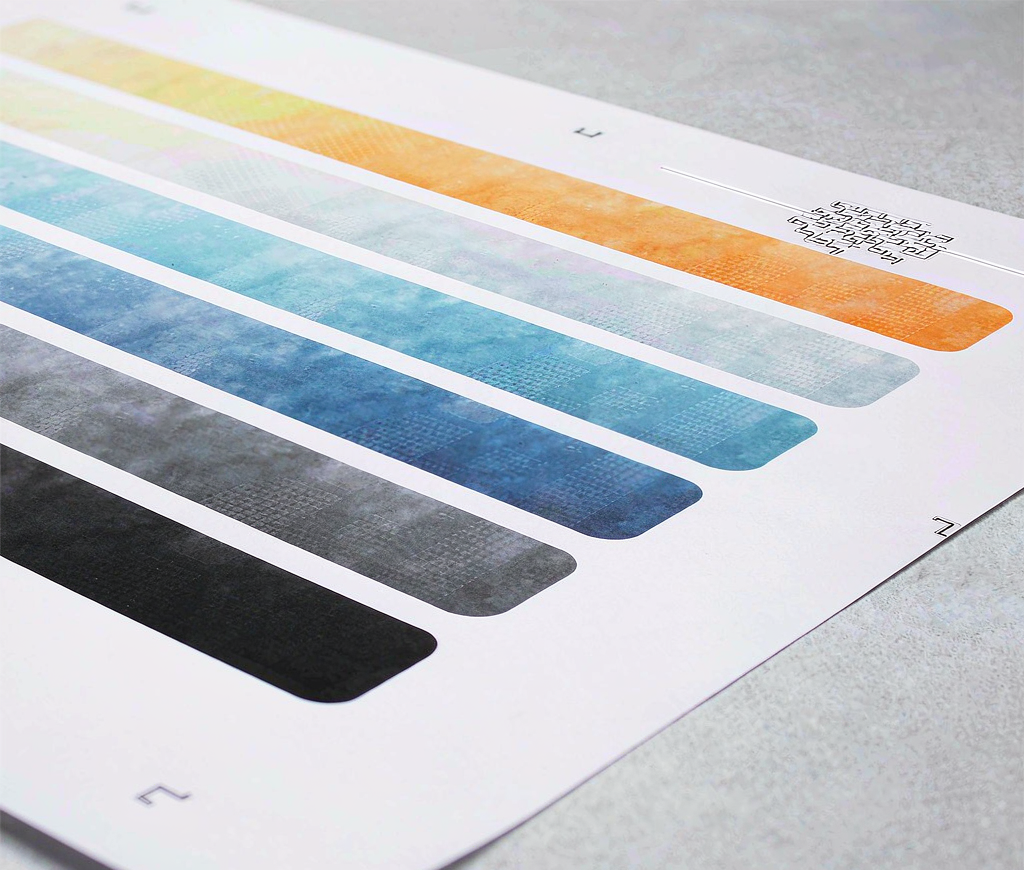
| Colour control (measured) | Press time and proofing | Brand consistency across runs | Visible drift between batches |
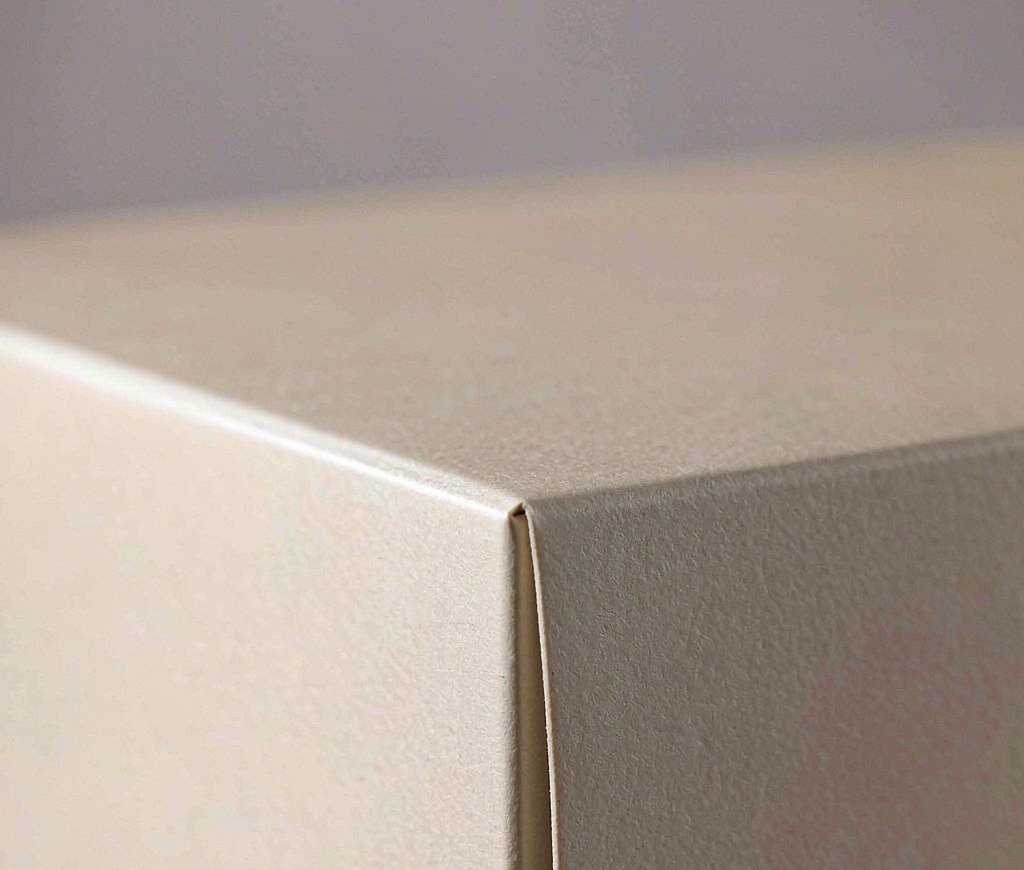
| Die and crease quality | Die maintenance | Clean folds and square assembly | Cracks, ragged edges, misfolds |
| Gluing and assembly | Line discipline | Boxes that hold in transit | Pop-opens, lids out of square |
| Finishing (lamination or coating) | Film and process time | Scuff resistance and shelf appeal | Peeling, cracking at folds |
A thinner board saves material cost and adds freight damage; a skipped colour bar saves press time and adds reprints. Value is the sum of those trade-offs, not the unit price. The thickness and grade of the board decide how much protection the box actually buys.
Two boxes at the same price, two different values
Consider a cosmetics brand choosing between two quotes that land within a few percent of each other. The lower quote uses a lighter board and a standard gloss film; the higher one uses a heavier board, a measured colour bar and a matte film rated for scuff. On the shelf, both look acceptable. After a month of handling and a parcel run, one still looks like the brand and the other looks like a discount line.
The same logic applies to a subscription box that ships every month. The value is not the unboxing moment; it is the percentage of boxes that arrive intact and the number of replacements the brand does not have to send. Process control is what turns a packaging cost into a packaging asset.
Finishing is part of that calculation, not decoration. A matte, soft-touch or spot UV finish changes how the box wears, how it photographs, and how much handling it can take before it looks tired.
Where cheap packaging gets expensive
Most packaging “savings” are borrowed from somewhere else in the chain. Four are common enough to watch for:
- Buying on unit price. The quote that looks lowest often excludes the cost of damage, replacement and reprints — the three line items that show up after delivery.
- Approving on a screen. A photo or a monitor cannot show how a board takes ink or how a film wears. Approve on the actual substrate, not on a render.
- Changing the board after the sample. A swap that saves material cost re-opens every downstream stage: colour, crease, fit and protection.
- Treating finishing as decoration. A film that peels or cracks at the fold is not a cosmetic problem; it is a return waiting to happen.
This is the practical difference between quality packaging and cheap packaging — not how it looks in the sample room, but how it behaves after a month.
How to tell whether a supplier’s process adds value
The question is not whether a factory owns the machines; it is whether each process is controlled. These are the checks that separate a value-adding process from a price-only one.
| Ask | What good looks like | Red flag |
|---|---|---|
| Can you show measured colour data? | A colour bar and readings across the run | “We match by eye” |
| Which board grade and grain direction? | A named grade and a grain diagram on the dieline | Unspecified “standard board” |
| How is the die controlled? | A maintenance log and a first-off cut check | No die records |
| What is your transit damage rate? | Documented testing or customer data | A vague “very low” |
| Can you quote total cost, not unit price? | Landed cost including damage and replacement | Unit price only |
If you want to see how those controls map onto the actual production sequence, the step-by-step of how custom paper boxes are made is the companion piece to this argument.
Value is a process, not a finish
A finish can make a box look expensive for a week. A controlled process makes it behave like a premium product for the life of the order: the colour holds across runs, the folds do not crack, the lids sit square, and the box survives the trip. That is the value a buyer is actually paying for — not the film, not the foil, but the discipline behind them.
If you are comparing packaging quotes and want to know which one carries real value, send us the product and the artwork. We will break the quote down by process — board, print, die, glue and finish — so you can see where the difference actually sits.
FAQ
Why is custom packaging more expensive than stock boxes?
Custom packaging carries tooling, proofing and process control that stock sizes do not. The higher unit price buys fit, protection and brand consistency rather than a generic carton that may not survive the trip.
How do manufacturing processes affect brand perception?
Colour consistency, clean folds and a surface that resists scuffing all read as quality before a customer reads a word. When those slip, the product feels cheaper even if the design is unchanged.
What is the real cost of cheaper packaging?
The real cost shows up as damage, replacement shipments and reprints. A lower unit price often moves cost downstream instead of removing it, which is why total landed cost is the fair comparison.
How do I compare packaging quotes fairly?
Ask each supplier to quote the same board grade, print method and finish, and to include damage and replacement assumptions. Compare total cost across the order, not the price per box.


