


Gloss vs Matte Lamination: Which Finish for Your Boxes?

Why the film you choose shows up before anyone reads the box
A printed box is judged in the second or two it takes to pick it up. Before a buyer reads the brand name, they have already registered whether the surface is a mirror or a soft, light-absorbing sheet — and that first impression is set almost entirely by the lamination film, not by the ink underneath.
Gloss and matte are the two default choices, and the gap between them is not cosmetic. The film changes how colour reads, how the box survives a shipping carton, how it photographs for a product listing, and whether the pack can enter a paper recycling stream. Below is a practical comparison of the points that actually cause reprints and returns, so you can specify the right film before the plates are made.
Gloss vs matte lamination: the comparison that matters
Both finishes bond a thin plastic film — usually BOPP — to the printed sheet with an adhesive. The film, not the ink, becomes the surface the customer touches. The trade-offs below are the ones buyers notice after delivery, not in the sample room.
| Factor | Gloss lamination | Matte lamination |
|---|---|---|
| Surface look | Reflective and high-contrast; colours look deeper | Low-sheen and soft; colours look slightly muted but richer in tone |
| Colour shift | Can deepen dark inks; highlights pop | Flattens glare; dark areas can read a little lighter — proof under the film |
| Scuff and abrasion | Shows fine scratches on large solid dark areas | Hides fine scuffs better, though soft-touch grades mark more easily |
| Fingerprints | Wipes clean, but smudges show on dark panels | Shows fingerprints on dark panels; lighter colours hide them |
| Handling and folding | Stiffer feel, crisp creases | Softer hand-feel; creases can whiten on very tight folds |
| Cost | Usually the lower-cost default | Often similar or slightly higher, depending on film and grade |
| Recyclability | Plastic film complicates paper recycling | Same limitation — specify recyclable film or a water-based coating if it matters |
| Best for | Retail shelf impact, food-adjacent packs, high-contrast branding | Luxury, cosmetics, stationery, photography-heavy listings |
One caution before you choose: the base sheet matters as much as the film. Printing on coated or uncoated paper changes how the film sits and how colour reads, so approve the film on the actual stock rather than on a white proof.
When gloss earns its shine — and when matte is the smarter call
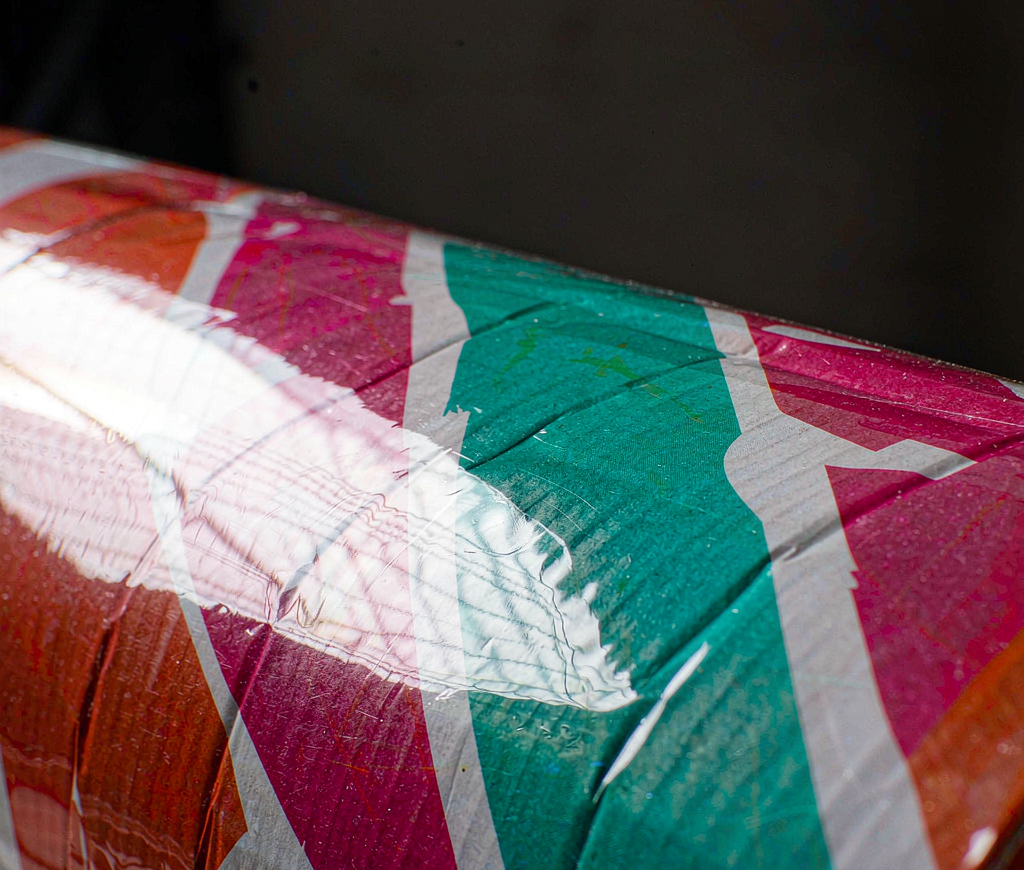
Gloss wins when the box has to compete on a crowded shelf or inside a thumbnail. The reflectivity lifts contrast, so a logo reads from further away, and the surface wipes clean — a practical advantage for food, toys and anything handled before purchase. The cost is honesty: gloss shows every scuff and every handling mark, especially on large dark panels.
Matte wins when the product is sold on restraint — cosmetics, jewellery, premium stationery, anything shot on a neutral set. It removes glare from product photography and gives a soft, tactile feel that reads as considered rather than loud. The trade is fingerprints on dark solid areas and creases that can turn white on very tight folds.
Where lamination goes wrong on the production floor
Most lamination failures are process, not product. Three recur often enough to plan around:
- Approving on the wrong stock. A film that looks right on a white proof can read differently on the real board. Always laminate a dummy on the production paper.
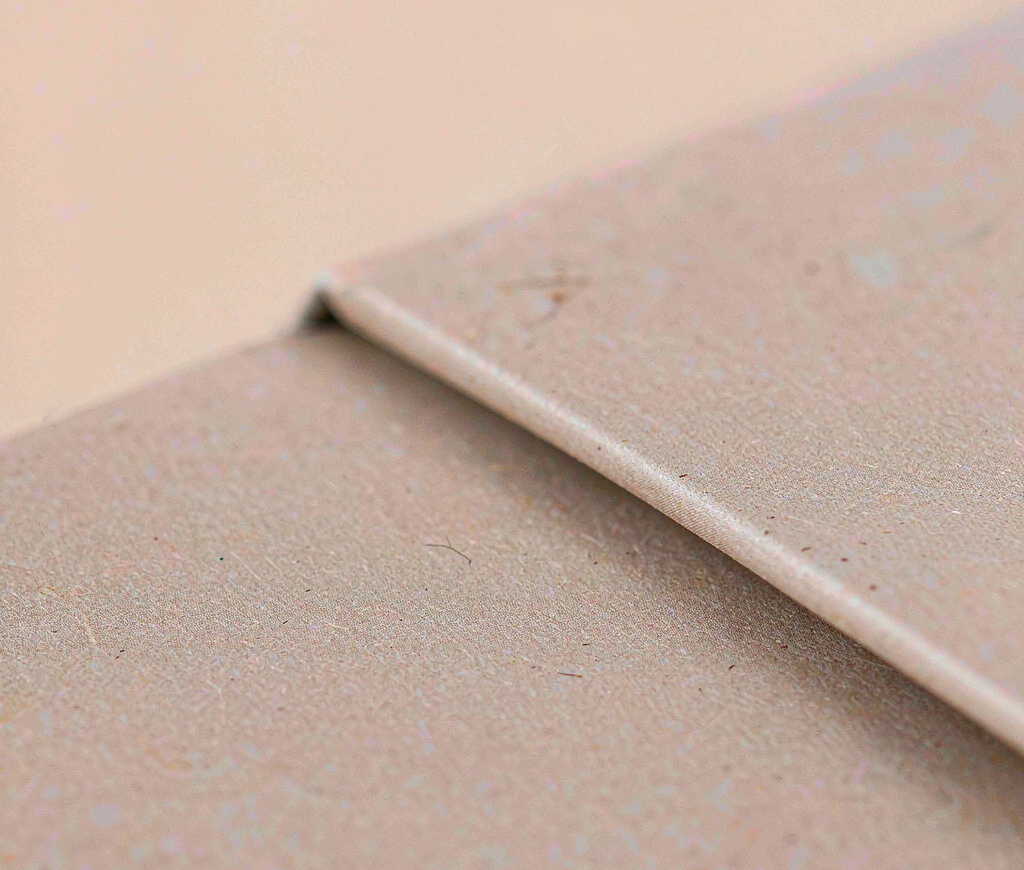
- Ignoring the fold. Film does not stretch like paper. On tight folds the coating can crack or whiten, so the dieline and fold direction should be agreed with the printer before the run.
- Mixing finishes across a set. A gloss lid on a matte base reads as a mistake, not a design choice. Lock one finish across the whole pack family.
If you are still choosing between matte, soft-touch and spot UV, that is a different decision — our breakdown of matte vs soft touch vs spot UV covers the textured and raised finishes that sit alongside plain lamination.
What to ask your printer before you approve the film
| Ask | Expected evidence | Red flag | Owner |
|---|---|---|---|
| Which film and adhesive are you using? | A named film type (for example BOPP) and adhesive class | A vague “gloss film” with no specification | Buyer / print engineer |
| Can I see a laminated proof on my stock? | A physical dummy on the production paper | A digital render only | Buyer |
| What does your scuff and crease test show? | Documented abrasion or fold test | “It’s fine, everyone uses it” | QA |
| Is the film recyclable, or do you offer a coating? | A material data sheet for the film | No data on film composition | Procurement |
| What are the MOQ and lead time per finish? | A written quote that names the film | Price only, no specification | Procurement |
Quality shows up in the details long before it shows up on the invoice — the same logic behind telling quality packaging from cheap packaging.
Matching the finish to the product, not the trend
Gloss and matte are not a hierarchy. A matte finish on a discount toy box can look flat and cheap; a gloss finish on a premium serum can look loud. The right question is not which finish is better, but which one the product, the retail channel and the shipping route call for — and whether the film you pick still lets the pack be recycled where it will be sold.
If you are weighing gloss against matte for a specific box, send us the product, the artwork and the shipping route. We will recommend a film and run a laminated dummy on your stock, so the decision is made on the real surface rather than on a screen.
FAQ
Does matte lamination dull the printed colours?
Matte film reduces glare rather than washing out colour. Dark inks can read slightly lighter and highlights lose their sparkle, but well-separated artwork keeps its depth. Always proof under the actual film, because the shift is subtle and depends on the base sheet.
Which lamination resists scuffing better in shipping?
Matte generally hides fine scuffs better than gloss, which shows scratches on large dark panels. Neither film is scratch-proof, so for heavy transit add a protective coating or choose a scuff-resistant matte grade and test a filled carton before the full run.
Is laminated packaging recyclable?
Standard plastic film complicates paper recycling because the film and board are hard to separate. If recyclability matters in your market, ask for a recyclable or compostable film, or a water-based coating instead of film lamination, and confirm it against the local waste stream.
Does gloss or matte cost more?
Cost usually tracks the film and grade rather than the word “gloss” or “matte”. Standard gloss is often the lower-cost default, while special matte or soft-touch grades can add cost. Ask for a written quote that names the film, not just a finish label.


