

What Overseas Buyers Should Know About Custom Packaging Manufacturing

The gap is not price — it is assumptions
Most overseas buyers do not lose money on the unit price. They lose it on the assumptions around it: what the quote includes, what a sample proves, who owns the tooling, who clears customs, and whether the certificate on the website can actually be verified. None of these appear on a price list, and all of them become expensive after the deposit is paid.
This is a practical briefing for overseas buyers sourcing custom packaging — the assumptions worth checking before the first purchase order, and the questions that turn a quote into a plan.
Five assumptions overseas buyers bring
Each of these is reasonable at home and risky across borders. The fix is usually one written question.
| Assumption | What is actually true | What to check | Cost of getting it wrong |
|---|---|---|---|
| “The unit price is the cost” | Tooling, samples, freight, duties and inspection sit outside it | A landed-cost breakdown, not a unit price | Budget overrun after the PO |
| “A sample is the product” | A sample is one process result; production varies with board, press and operator | A production-representative sample on the real stock | Batch mismatch and reprints |
| “MOQ is one number” | MOQ is usually per SKU, per material and per print method | MOQ broken down by SKU | Five markets become five minimums |
| “The factory owns the artwork” | Ownership and confidentiality are contractual, not automatic | A written IP and confidentiality clause | Design leakage or a legal dispute |
| “A certification is a logo” | Certificates carry numbers and scopes that can be verified | The certificate number checked at the issuer | False claims, retail or customs rejection |
The last one is easy to test. An FSC® claim, for example, should come with a certificate number and a scope you can check in the certifier’s public database — a logo alone is not evidence.
First order versus repeat order
Take a first order of 3,000 rigid boxes and a repeat order of the same box a year later. They are not the same purchase. The first carries tooling, sample approval, artwork checks and a freight decision; the repeat should carry almost none of that.
Buyers who treat them as “the same box” are surprised twice: first when the initial quote is higher than expected, and again when the repeat quote drops — or when the first order slips because a die had to be made and a sample had to be shipped before the run could start.
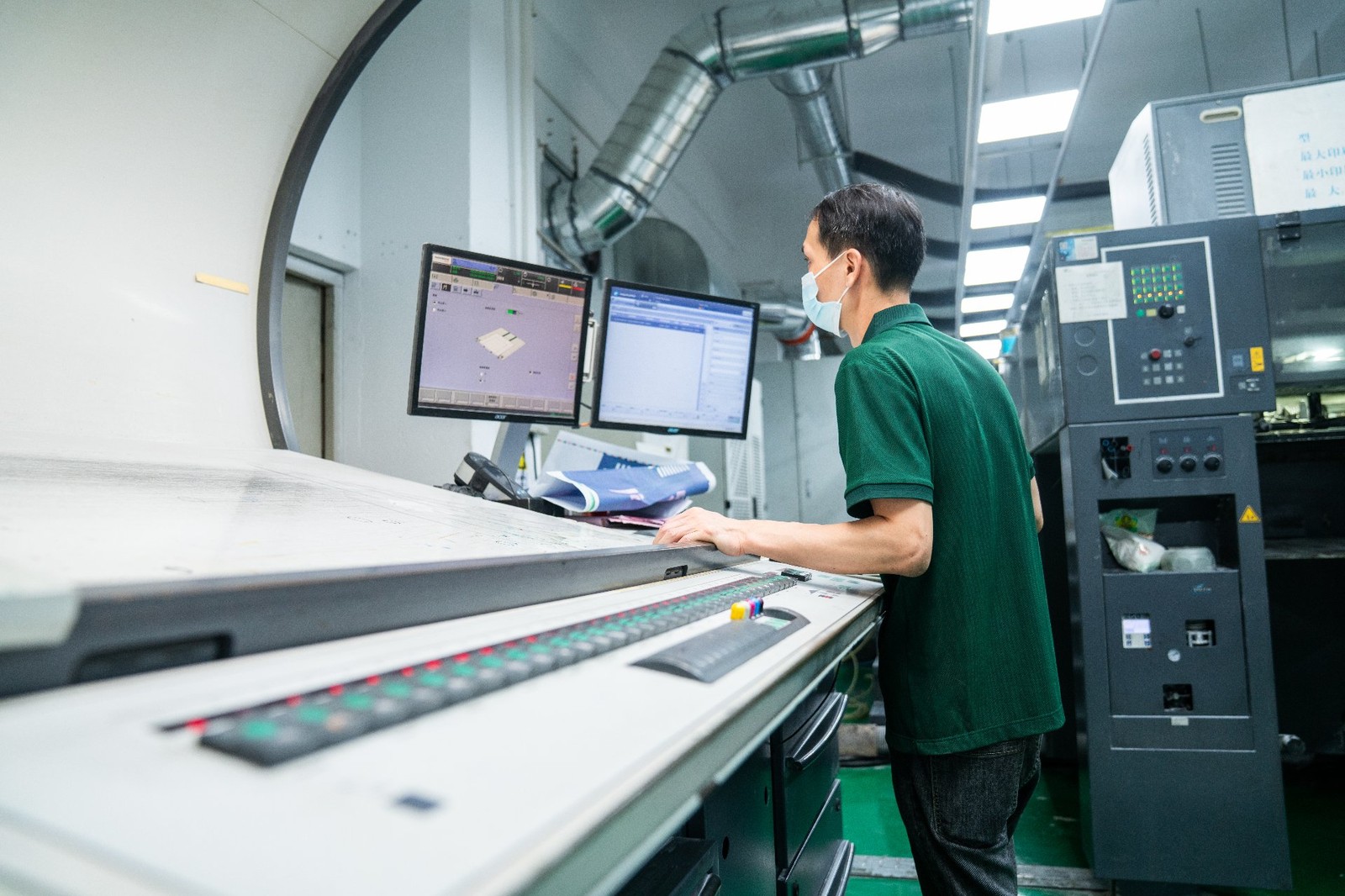
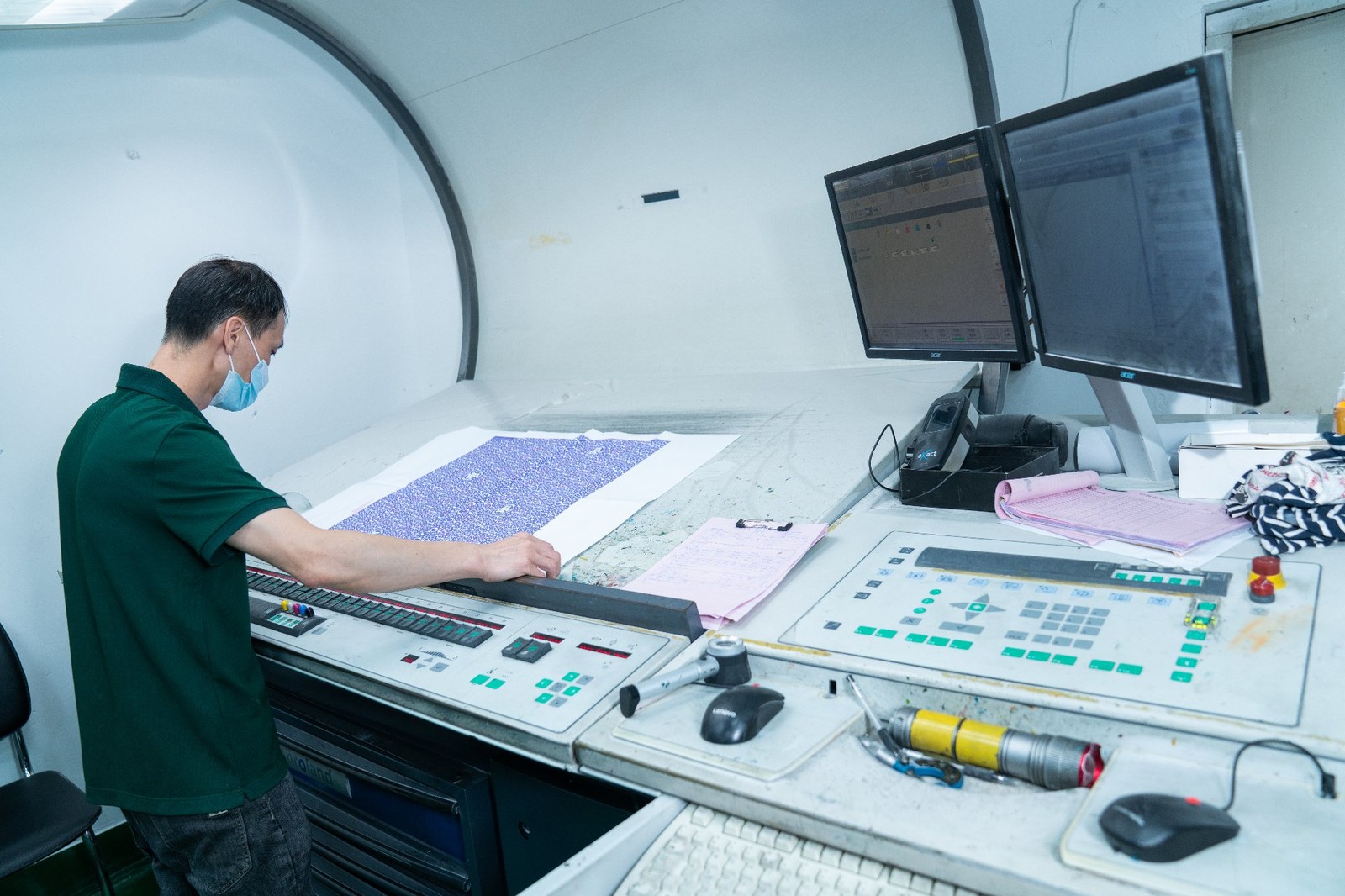
The production workflow behind both orders is the same — a production workflow for global brands does not change between order one and order two. What changes is how much of the setup you are paying for the first time.
Where first-time overseas orders go wrong
Most first-order problems are administrative, not manufacturing. Six recur:
- Paying a deposit before the sample is approved. The sample is the last cheap moment to change your mind; after the deposit it becomes a change order.
- Choosing an Incoterm without knowing who clears customs. EXW and DDP put very different obligations on the buyer, and the cheapest-looking term often carries the most work.
- Not confirming who owns the die and plates. If you switch suppliers, the tooling may not travel with you.
- Skipping pre-shipment inspection. A third-party check before the container leaves is far cheaper than a dispute after it arrives.
- Assuming fluent communication. A single named contact and written specifications prevent most misunderstandings; “we discussed it on a call” prevents none.
- Checking the certificate logo but not its scope. A valid certificate can still exclude the material or process you are buying.
The same discipline is what separates quality packaging from cheap packaging — not the promise at the quotation stage, but the checks around it.
What to confirm before the first PO
These are the questions that make a cross-border order predictable. If a supplier cannot answer them in writing, the risk is yours.
| Ask | Why it matters | Red flag |
|---|---|---|
| What is included in the unit price? | Tooling, samples and freight are often excluded | “Everything is included”, with no breakdown |
| Which Incoterm, and who clears customs? | It decides where risk and cost transfer | EXW quoted as if it were DDP |
| Are samples charged, and credited against the order? | Sample cost and lead time affect the schedule | “Free sample” with no specification |
| Who owns the dies and printing plates? | It affects your ability to switch suppliers later | “We keep them”, with no clause |
| Can a third-party inspection be arranged? | It protects the first, highest-risk order | Refusal to allow inspection |
| What is the certificate number and scope? | A claim is only useful if it can be verified | A logo with no number |
Buying overseas is a process, not a price comparison
A quotation is a number. A purchase order is a set of obligations: what is made, to which specification, by when, who pays for what, who owns what, and what happens if it goes wrong. Buyers who treat the first order as a process — sample, approve, specify, inspect, ship — get fewer surprises than buyers who treat it as a price comparison.
If you are placing a first overseas packaging order and want a second pair of eyes on the assumptions, send us the product, the quantity and the destination. We will tell you what the quote should include and which questions to ask before the deposit.
FAQ
What Incoterm should I use for a first packaging order?
There is no universal answer, but a first order is usually easiest with a term where the supplier handles export clearance and the buyer understands the import side — for example FOB. Confirm in writing who clears customs and who pays which charge.
Should I pay for samples?
Expect to pay for physical samples and shipping, and ask whether the sample cost is credited against the order. A free sample with no specification is usually worth less than a paid sample on the production stock.
Who owns the printing plates and dies?
It depends on the contract, not on who paid for the run. If you want to move suppliers later, agree ownership in writing before the tooling is made.
How do I verify an FSC® certificate?
Ask for the certificate number and the scope, then check them in the certification body’s public database. The FSC® logo alone does not prove that your specific material or process is covered.


