


The First Number That Decides Offset Printing vs Digital Printing in Custom Box Production
A buyer asks for a unit price before fixing the committed production quantity, and the supplier has to guess whether this is a pallet trial or a container-load program. That guess changes everything about the print method, the setup cost, and the realistic cost per box.
Offset printing vs digital printing in custom box production is not a quality contest. Offset spreads plate and setup expense over many boxes, so the unit price falls as the run grows. Digital printing avoids the plates and setup, but the per-box click or ink cost stays higher. One process rewards a short first run; the other rewards a long reorder.
The first number to settle is committed volume, not the quote. A small market-test run may be cheaper digitally even when the artwork has a photographic look. The same design, printed as a container reorder, may cost less per box on offset because the plates are already paid for or easier to amortize. Board stock matters too, since it can narrow which method actually runs well.
Five Factors That Shift the Offset vs Digital Decision on a Real Quote
A quote moves when a buyer fixes run size, color expectation, board, coating, and delivery window together. The table below sorts common order profiles into the method the quote should be built around first; each row points to a checkable cost or production consequence rather than a definition.
| Order profile | Color / Pantone expectation | Board, texture and coating | Lead time constraint | Verdict: build the quote around |
|---|---|---|---|---|
| First run under 500 boxes | CMYK or artwork still in review; variable labels acceptable | Toner adhesion on dark or textured board should be tested | Needs a fast sample or market test | Digital first; request a drawdown on the production board before sign-off |
| 500–1,000 boxes, first or repeat | One or two Pantone colors may be required; slight density shift risks approval | Board and finish are fixed; coating affects dry time and scratch | Moderate; needs a printed unit cost before committing | Quote both methods on the same spec and board |
| Repeat order above 1,000 boxes | Exact spot color and repeatable ink density expected | Specified board; offset lithography usually holds solid coverage and fine text better | Plates may still be on file, so reorder speed can improve | Offset first; compare digital only if artwork changes each run |
In the 500–1,000 box band, the cost crossover is rarely a single number. A supplier that can quote digital and offset on the same spec is better than one that defaults to a single press, because color count and board choice can flip the result. The useful check is not the printed method name, but whether the proof and the production run use the same board, process, and finish.
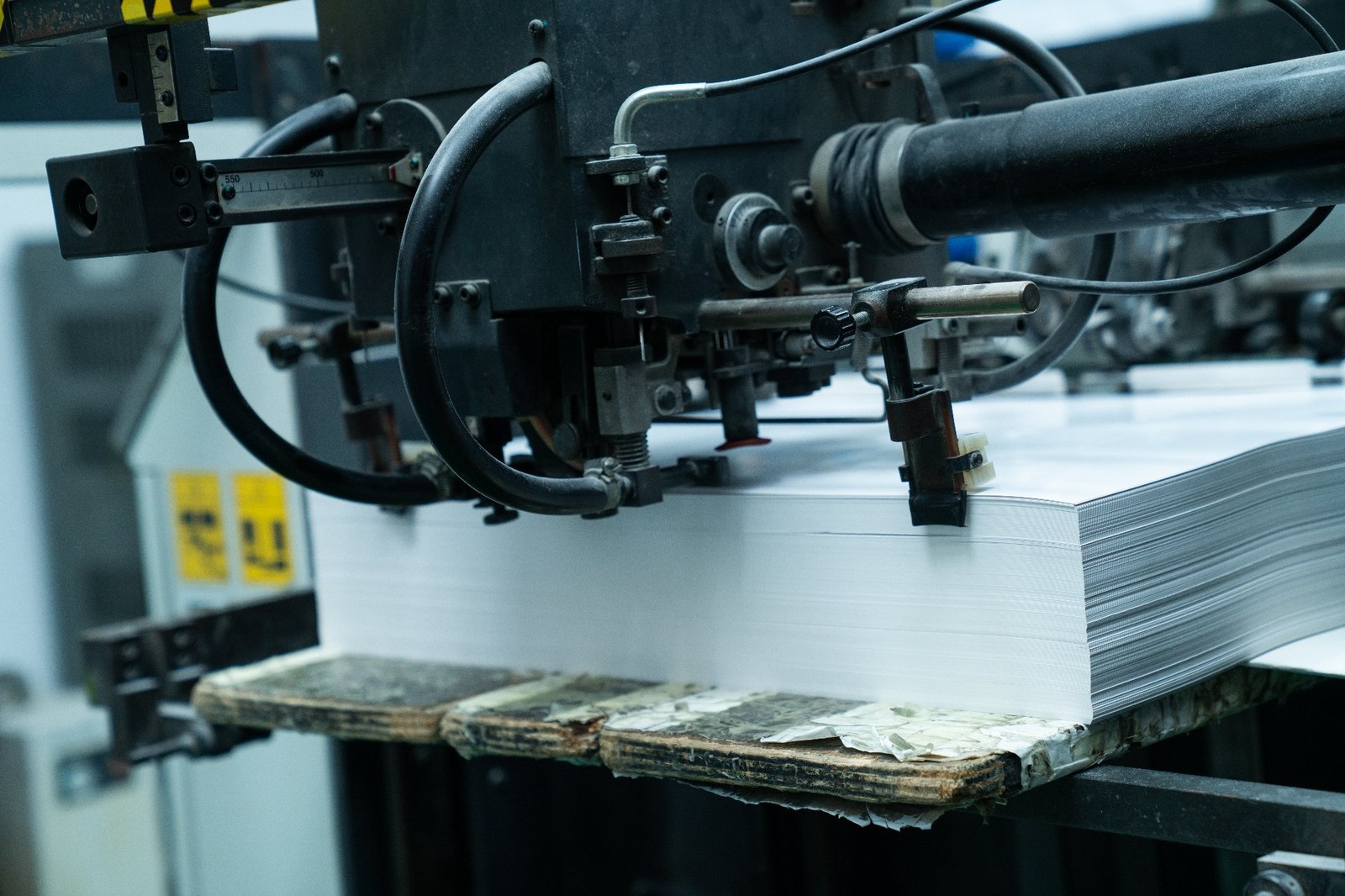
Pallet Trial or Container Reorder: Matching the Method to the Movement
A pallet-load market test and a container-load reorder are not the same quote with different numbers. The first buyer is still deciding whether the artwork, board, and SKU mix survive a real shelf. The second buyer already knows the box works and is buying movement economics. The printing method should follow that difference.
If the shipment is a pallet run below five hundred boxes with two to four SKU variants or regional label changes, quote digital first. There is no plate cost to spend before the market answers, and artwork can change in days instead of waiting for new plates. A buyer who is air-freighting samples or a first batch is already paying for speed; adding plate tooling at that stage loads cash onto a design that has not proven itself.
When the order is a container-load reorder well above the crossover with one stable logo and a specified paperboard, the argument flips. Offset’s setup is already justified by volume, and the unit cost falls below digital’s per-click markup. That is also where color control matters. If the brand guideline specifies Pantone 186 C, a digital approximation may be close; offset with a spot plate hits it consistently across every box. A container leaves no room to reprint a batch because the logo shifts on the same board, so the marginal cost of offset is insurance, not overhead.
The middle band is harder. Instead of guessing, ask the supplier for a printed unit cost on both methods at the actual committed quantity. Before approving offset plates, request a digital proof first so color intent is visible without committing to plates. Then check one thing: is the sample printed on the same board and with the same process as production? A digital proof that cannot predict how offset ink sits on the final paperboard is a risk, not a color approval. If the supplier cannot explain that difference, the quote is not ready.
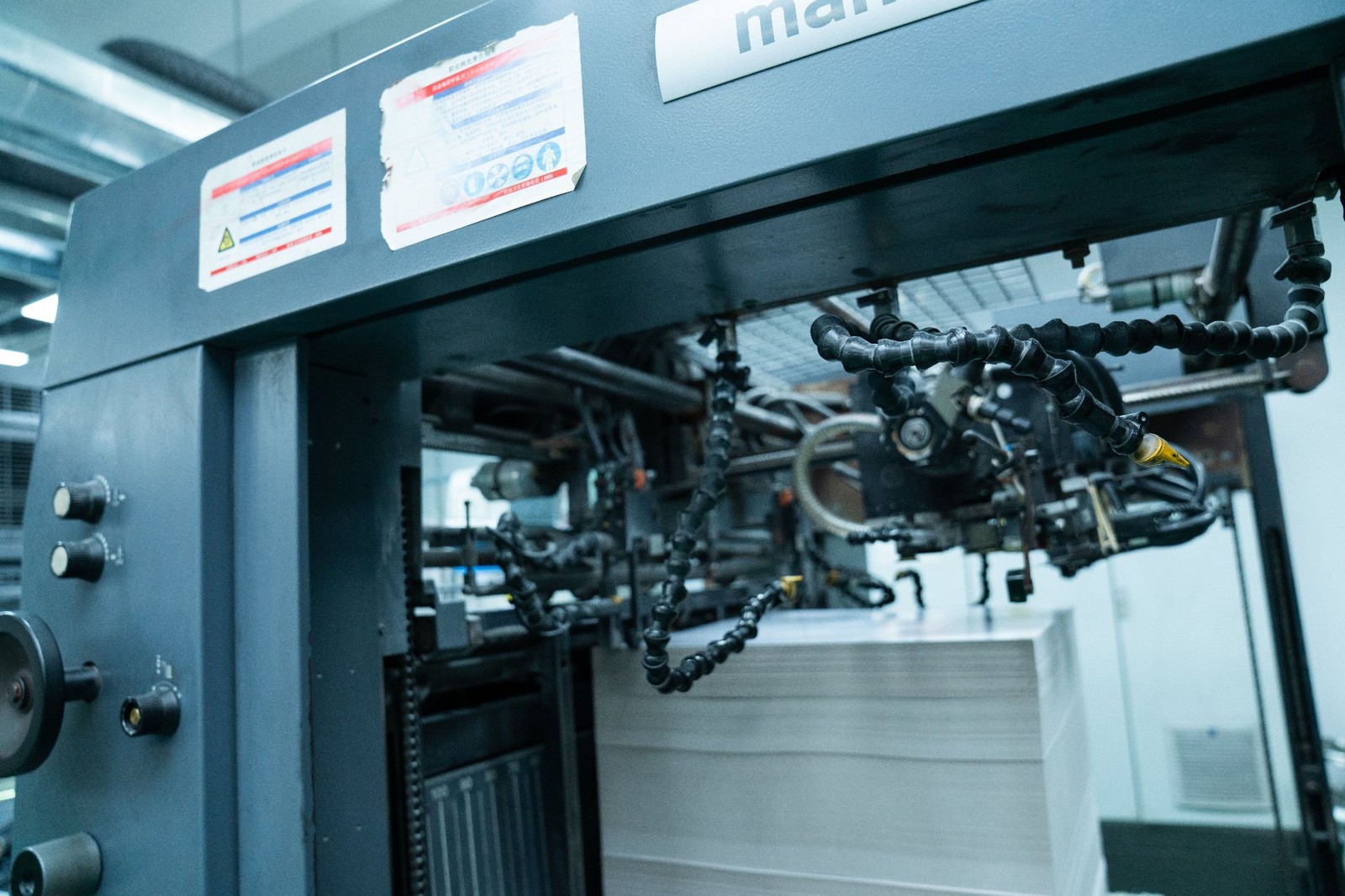
Two Approval Mistakes That Turn a Cheap Custom Box Quote Into an Expensive Reorder
The first mistake is approving a digital run at container volume because there is no setup charge. Zero plate cost feels like free money, but the math that matters is total landed cost. Once a run passes the break-even point, offset unit cost falls below digital, and the first-line price stops telling the truth. The fix is simple: before sign-off, ask the supplier to price both methods at the same committed volume and board. If the offset number is lower, the “cheaper” digital quote was cheap on setup, not on boxes.
The second mistake is approving offset plates for a first order that is really a pallet-size test. Plates are a fixed cost, and they only earn their keep when volume or reorders spread that cost. If the artwork changes after sampling, the plates are scrapped and paid for anyway. If the shipment is one pallet and the order never repeats, the tooling lands entirely on a tiny quantity. Better to run a digital proof or short digital run first, then move to offset once the artwork is locked and reorder volume is real. Ask whether the plate cost can carry to a future run, and whether digital proofing is possible without plate commitment.
Before approving, check three things: both methods priced at the committed volume and board, not at the MOQ the supplier wants to quote; the plate or tooling cost can be amortized across a reorder, or a digital path exists for the first run; and color sign-off uses a production-method proof, because a Pantone printed offset behaves differently from a CMYK digital approximation.
What to Ask a Custom Box Supplier Before You Lock the Printing Method
When two quotes land close, the supplier documentation becomes the tiebreaker. Run the same five checks against any factory before approving offset or digital.
| Ask | Expected evidence | Red flag | Who checks |
|---|---|---|---|
| “Show me the cost per box at 200 and 3,000 units for both digital and offset on the same board.” | A written cost curve or two quotes, itemized by plates/setup and unit cost. | “We don’t need run size; one price is fine.” | Procurement / sourcing lead |
| “Which board grade, thickness and stock is available now for both processes?” | Board specification and current stock confirmation from the paper vendor. | “Don’t worry about the board.” | Packaging engineer or quality |
| “Which proof will I approve — digital proof, wet proof/drawdown, or production sample — and does it match the final process?” | Proof type specified, with production-method match and brand color target. | PDF-only approval or refusing an offset drawdown for spot colors. | Brand / design owner |
| “What is the lead time from file to pallet for digital vs offset?” | Date-stamped production schedule covering plate time, printing, finishing and palletizing. | No committed date or “same lead time” without process detail. | Supply chain / logistics |
| “Send current ISO 9001, ISO 14001, ISO 45001 and RoHS/REACH documents for EU/North America.” | Valid certificates with scope covering packaging. | No documents, expired certificates, or scope that excludes packaging. | Compliance / QA |
A supplier that answers all five with dated documents and process-specific detail is usually safe to approve. If the answers are vague or the red flags appear, ask for a revised quote before committing to a method.
Quote the Right Run First: A Short Closing Check for Custom Box Buyers
A buyer should not lock a printing method before the quote is built on the actual committed quantity, board, and artwork state. If the run is small or the design may still change, digital is the lower-risk start: no plates, no tooling carry, and a faster first shipment. If the run is a stable reorder at container volume, offset should be priced on the final board, not on a placeholder stock. In the middle band, the only reliable way to answer the question is to ask for both methods at the same volume, on the same board, with the same freight terms.
Before sending the inquiry, list four details: the committed quantity, the board grade and thickness, any Pantone or spot colors with the finish, and the delivery date. That keeps one supplier from quoting digital on uncoated stock while another quotes offset on coated stock, which is how two prices for the same box end up far apart. It also exposes a printer that is steering toward one process because it owns that machine, not because the job fits it.
FAQ
What is the break-even point between offset and digital printing?
The crossover is typically between 500 and 1,000 units, but color count and board choice can shift it. Below 500 units, digital is usually cheaper; above 1,000 units, offset wins on unit cost.
How do I compare quotes when suppliers use different printing methods?
Request both methods on the same spec: same quantity, board, Pantone colors, finish, and freight terms. That prevents one supplier quoting digital on uncoated stock while another quotes offset on coated stock.
Can I use a digital proof to approve offset production?
No, a digital proof is not color-proof for offset. Ask for a wet proof or ink drawdown on the production board, and keep artwork, coating, and stock identical when comparing.
What should I check before approving a printing method?
Confirm the proof matches the production process and board, and ask for both methods priced at the same committed volume. Also verify lead time from file to pallet for each method.


